Lab · 11
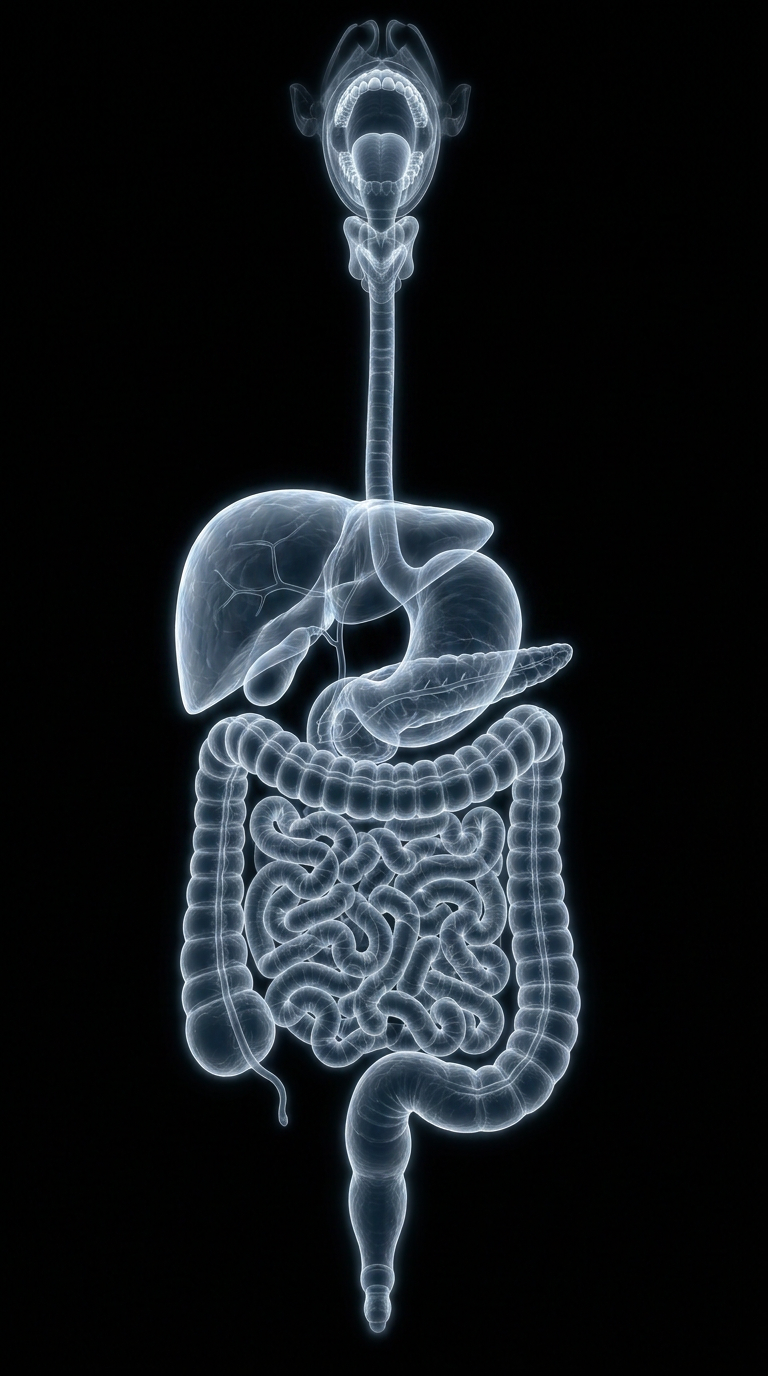
Appendiceal Tumors
Rare tumors of the appendix, often uncovered by chance during surgery for suspected appendicitis, and spanning several distinct tumor types.
Overview
- Tumors of the appendix are uncommon and are often discovered unexpectedly during an appendectomy performed for suspected appendicitis.
- Several different tumor types can arise in the appendix, including: Neuroendocrine tumors (NETs), the most common type, usually small and found at the tip of the appendix; Mucinous neoplasms, tumors that produce mucus and can range from low-grade (slow-growing) to higher-grade; if they rupture, they can spread mucus-producing cells throughout the abdominal cavity (a condition called pseudomyxoma peritonei); Adenocarcinoma, a more aggressive tumor type similar to colon cancer, arising from the glandular lining of the appendix; Goblet cell tumors (goblet cell adenocarcinoma), a less common type with mixed neuroendocrine and glandular features, generally behaving more aggressively than typical NETs.
- A diagnosis means an abnormal growth has developed in the appendix; because appendiceal tumors are often found incidentally, further workup after appendectomy determines whether additional treatment or surgery is needed.
01Signs & symptoms
- Often none, many appendiceal tumors are found incidentally during surgery or imaging for something else
- Abdominal pain, especially in the lower right side, that may mimic appendicitis
- Bloating or abdominal swelling (especially with mucinous tumors that produce large amounts of mucus)
- A change in bowel habits
- A palpable abdominal mass
- Unexplained weight loss
- Symptoms of appendicitis (fever, nausea, tenderness) if the tumor causes blockage or inflammation
02Surgical procedures & operations
- Appendectomy, removal of the appendix alone; sufficient for many small, low-grade tumors, especially small NETs confined to the tip
- Right Hemicolectomy, removal of the appendix along with the right side of the colon and nearby lymph nodes; used for larger NETs, adenocarcinomas, or goblet cell tumors where there's a higher risk of spread
- Cytoreductive Surgery (CRS), a more extensive operation to remove all visible tumor and mucus-producing tissue from the abdominal cavity, used for mucinous tumors that have spread within the abdomen (pseudomyxoma peritonei)
- Hyperthermic Intraperitoneal Chemotherapy (HIPEC), heated chemotherapy delivered directly into the abdominal cavity, typically performed at the same time as cytoreductive surgery for spread mucinous tumors
- Debulking Surgery, removal of as much tumor as safely possible in more advanced or diffusely spread cases
Research at GutLiv
GutLiv supports centralized pathology review for rare appendiceal tumor types and studies criteria that distinguish low-risk mucinous neoplasms from those likely to progress to pseudomyxoma peritonei.