Lab · 12
Gastrointestinal Stromal Tumors
A distinct family of tumors arising from the GI tract's muscle-control cells, driven by specific gene mutations and uniquely responsive to targeted therapy.
Overview
- GISTs are a distinct type of tumor that starts in specialized cells in the wall of the GI tract called the interstitial cells of Cajal, which help control digestive muscle movement. They are not the same as typical carcinomas or adenocarcinomas.
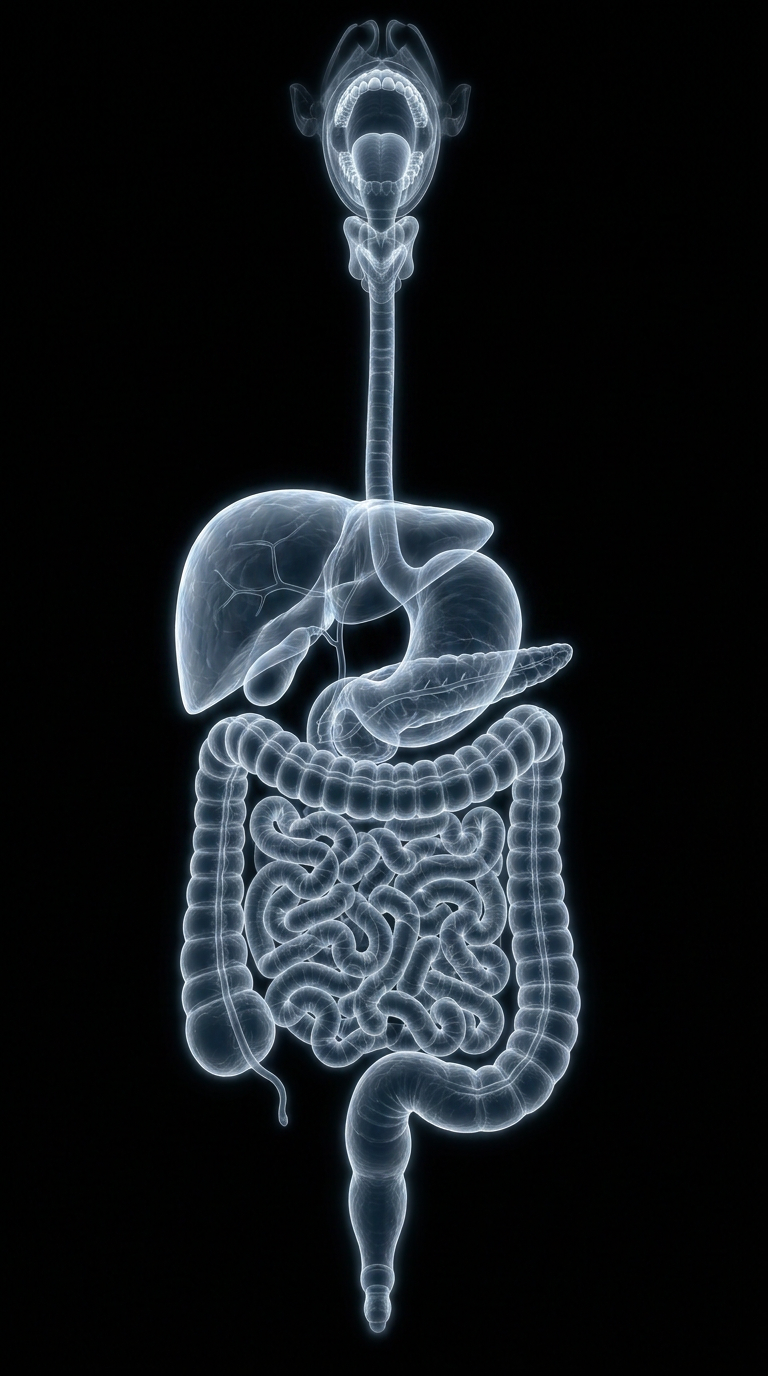
- GISTs can develop anywhere along the GI tract but are most common in the stomach and small intestine, and less often in the colon, rectum, or esophagus.
- Most GISTs are linked to specific gene mutations (commonly in the KIT or PDGFRA genes), which also makes many of them responsive to targeted drug therapy, not just surgery.
- GISTs range from very small and low-risk to large and aggressive; risk is estimated based on tumor size, location, and how actively the cells are dividing.
- A diagnosis means a tumor has developed from the GI tract's muscle-supporting tissue rather than its lining; because many GISTs respond well to targeted therapy, treatment often combines surgery with medication.
01Signs & symptoms
- Often none for small tumors, many are found incidentally during endoscopy, imaging, or surgery for another reason
- Abdominal pain or discomfort
- A palpable abdominal mass
- Nausea or vomiting
- Feeling full quickly after eating
- Gastrointestinal bleeding (vomiting blood or dark, tarry stools), sometimes causing fatigue from anemia
- Bowel obstruction symptoms (bloating, cramping, inability to pass stool or gas) if the tumor blocks the intestine
- Unexplained weight loss
02Surgical procedures & operations
- Wedge Resection, removes the tumor along with a margin of healthy tissue from the stomach or intestinal wall; the most common approach for smaller, localized GISTs
- Segmental Bowel Resection, removes the section of small or large intestine containing the tumor, with the healthy ends reconnected
- Partial or Subtotal Gastrectomy, removes part of the stomach for larger gastric GISTs
- Laparoscopic or Robotic-Assisted Resection, minimally invasive removal, often possible for smaller, well-located GISTs
- Whipple Procedure (Pancreaticoduodenectomy), used for GISTs in the duodenum close to the pancreas and bile duct
- Abdominoperineal Resection (APR) or Low Anterior Resection (LAR), used for GISTs arising in the rectum, depending on size and location
- Debulking Surgery, removal of as much tumor as possible in advanced or metastatic cases, often combined with targeted drug therapy before or after surgery
Research at GutLiv
GutLiv underwrites genomic profiling access for GIST patients, helping match uncommon KIT/PDGFRA mutations to the targeted therapy most likely to work, and studying resistance pathways when tumors stop responding.