Lab · 10
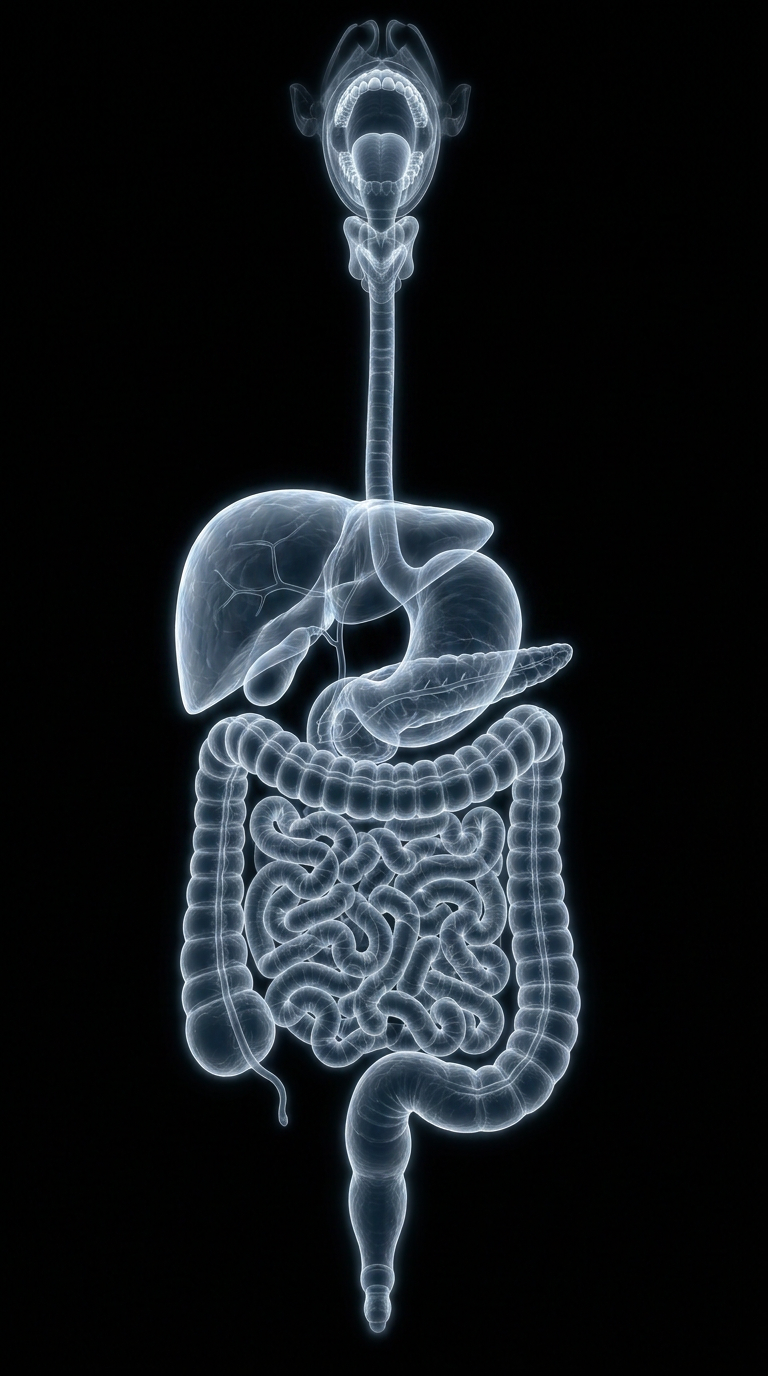
Neuroendocrine Tumors
Tumors that arise from specialized hormone-producing cells scattered along the digestive tract, varied, often slow-growing, and sometimes silent for years.
Overview
- Neuroendocrine tumors start in specialized cells found throughout the GI tract that have properties of both nerve cells and hormone-producing (endocrine) cells. These cells help regulate digestion and can release hormones into the bloodstream.
- GI NETs (sometimes still called "carcinoids") can arise anywhere along the digestive tract, most commonly in the small intestine, appendix, rectum, stomach, and colon.
- NETs range widely in behavior, some grow very slowly and stay localized for years, while others are more aggressive and can spread. They are graded (low, intermediate, high) based on how fast the cells are dividing, which helps predict behavior and guide treatment.
- Some NETs are "functional," meaning they release hormones that cause noticeable symptoms (like carcinoid syndrome); others are "non-functional" and are often found incidentally during imaging or endoscopy for another reason.
- A diagnosis means a hormone-producing tumor has developed in the GI tract; because these tumors vary so much in behavior, treatment and outlook depend heavily on tumor location, grade, and stage.
01Signs & symptoms
- Often none, especially in early or small tumors, many are found incidentally
- Abdominal pain or cramping
- Diarrhea
- Flushing of the face or upper body (a hallmark of carcinoid syndrome, caused by hormone release)
- Wheezing or difficulty breathing
- Rapid heartbeat
- Unexplained weight loss
- A palpable lump or bowel obstruction symptoms (nausea, vomiting, bloating) if the tumor blocks the intestine
- Rectal bleeding (for rectal NETs)
02Surgical procedures & operations
- Endoscopic Resection, removal of small, early-stage NETs (especially in the stomach, rectum, or colon) through an endoscope, without external incisions
- Local (Transanal) Excision, for small, early rectal NETs
- Segmental Bowel Resection, removes the section of small or large intestine containing the tumor, along with nearby lymph nodes
- Right Hemicolectomy, often used for NETs located in the appendix or nearby colon when the tumor is larger or higher-risk
- Small Bowel Resection with Mesenteric Lymph Node Dissection, used for small intestine NETs, which often spread to nearby lymph nodes even when small
- Whipple Procedure (Pancreaticoduodenectomy), used if a duodenal NET is close to the pancreas and bile duct
- Liver Resection or Ablation, used to remove or destroy NET metastases in the liver, which is a common site of spread
- Debulking (Cytoreductive) Surgery, removes as much tumor as possible in advanced cases to relieve symptoms, even if not all disease can be removed
- Abdominoperineal Resection (APR), reserved for larger or more advanced rectal NETs
Research at GutLiv
GutLiv funds research into non-invasive grading markers and functional-imaging techniques that distinguish indolent NETs from aggressive ones, so that slow-growing tumors can be watched safely while aggressive ones are treated early.